
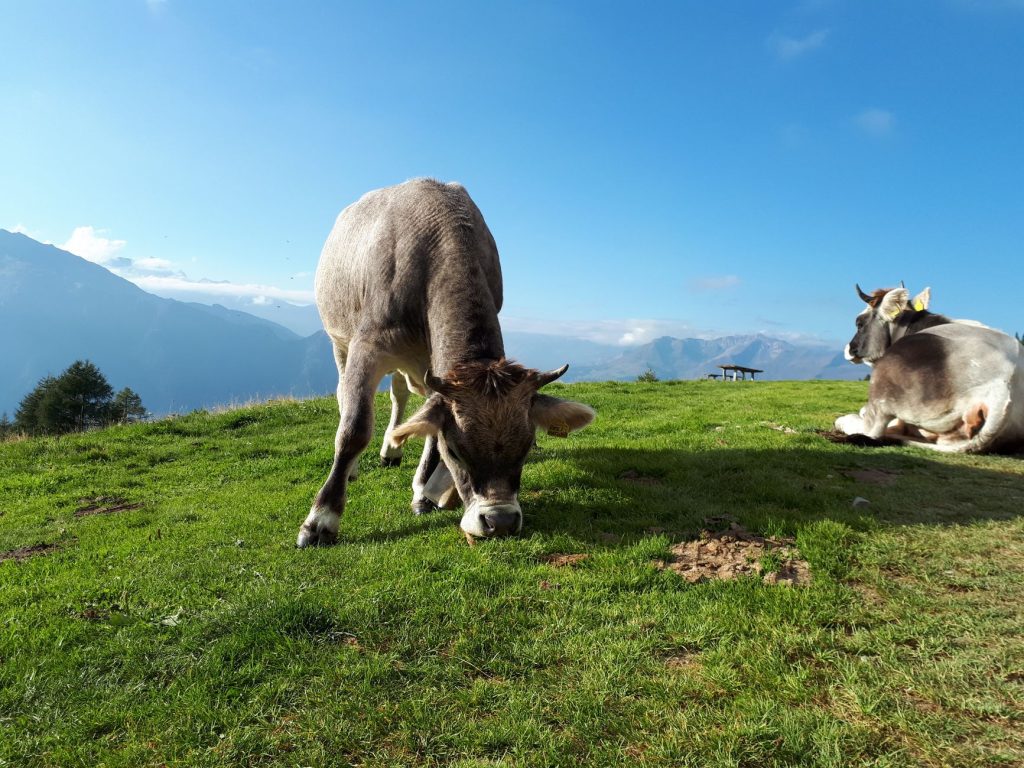
Cattle care is an essential responsibility for farmers, livestock owners, and communities that maintain traditional animal-related practices. In regions where วัวชนแดนใต้.net traditions are recognized, preserving cultural knowledge should go hand in hand with protecting animal health and welfare. Every animal deserves proper nutrition, clean surroundings, gentle handling, and regular medical attention throughout its life.
Why Is Responsible Animal Care Important?
Responsible care helps cattle remain healthy, comfortable, and active. Animals that receive suitable food, fresh water, and adequate rest are better able to maintain normal body functions. Neglect, poor nutrition, and unsuitable living conditions can lead to illness, weakness, injuries, and unnecessary suffering.
Good livestock management also benefits owners and farming communities. Healthy cattle generally require fewer emergency treatments and can be easier to manage during routine activities. Consistent care builds trust between animals and handlers while supporting responsible agricultural traditions.
What Nutrition and Shelter Do Cattle Need?
A balanced diet is one of the foundations of cattle welfare. Their daily feed should provide suitable energy, protein, minerals, and fiber according to their age, size, and condition. Clean drinking water must always be available, especially during hot weather when animals may need more frequent access.
Shelter is equally important. Cattle need protection from extreme heat, heavy rain, strong winds, and uncomfortable ground conditions. Their resting areas should remain clean, dry, and spacious enough for natural movement. Regular cleaning helps reduce parasites, infections, and unpleasant living conditions.
How Can Owners Maintain Good Health?
Routine health monitoring allows owners to recognize problems before they become serious. Changes in appetite, walking patterns, breathing, behavior, or body condition may indicate illness or discomfort. Veterinary professionals should examine cattle regularly and provide appropriate vaccinations, parasite control, and treatment when necessary.
Hoof care, grooming, and safe handling also contribute to overall well-being. Owners should avoid rough treatment and provide enough space for animals to move without unnecessary stress. Any signs of injury should receive prompt attention.
How Should Traditional Activities Respect Animal Welfare?
Cultural practices involving cattle should never justify cruelty or avoidable distress. Animals should not be deliberately frightened, injured, exhausted, or forced into dangerous activities. Responsible communities can preserve agricultural knowledge through education, observation, and non-harmful cultural demonstrations.
Clear welfare standards, trained handlers, and veterinary supervision can help encourage safer livestock practices. The comfort and safety of cattle should always take priority over entertainment or competition.
What Can Communities Do to Improve Cattle Care?
Farmers, families, and local organizations can promote responsible ownership by sharing knowledge about feeding, housing, disease prevention, and humane handling. Teaching younger generations these principles helps create lasting awareness.
Ultimately, responsible animal care combines traditional understanding with practical welfare standards. Providing cattle with healthy living conditions demonstrates respect for livestock and strengthens the relationship between communities, farming, and cultural heritage.
What You Need to Know
- Cattle care involves providing proper nutrition, clean surroundings, gentle handling, and regular medical attention throughout an animal’s life.
- Neglect and poor living conditions can lead to illness, injuries, and unnecessary suffering in cattle.
- A balanced diet for cattle should include suitable energy, protein, minerals, and fiber based on their age, size, and condition.
- Routine health monitoring and regular veterinary check-ups are essential for maintaining cattle health and preventing serious issues.
- Cultural practices involving cattle must prioritize animal welfare and avoid causing distress or harm.
- Communities can enhance cattle care by sharing knowledge about proper management practices and instilling these values in younger generations.